How to Sell Your House As-Is in Florida for Fast Cash
Learn how to sell your house as-is in Florida for fast cash. Our guide helps you navigate legal steps and maximize your sale
What selling 'as-is' really means in Florida
"As-is" limits your repair obligations, but it does not make inaccurate omissions safe. Sellers who skip or falsify disclosures expose themselves to legal liability after closing.
"As-is" limits your repair obligations, but it does not make inaccurate omissions safe. Sellers who skip or falsify disclosures expose themselves to legal liability after closing.
Key Takeaways
- Use the official contract
- Always use Florida's "As Is" Residential Contract with the
- Inspection rights stay intact
- Buyers can inspect and renegotiate even if you sell as-is
- Cash buyers close fastest
- Selling as-is to a cash buyer enables closing in 7–14 days
- Full disclosure is required
- As-is limits repair obligations but does not protect you
What selling 'as-is' really means in Florida
Many homeowners assume that selling as-is means zero obligations, no paperwork, and no questions asked.
Many homeowners assume that selling as-is means zero obligations, no paperwork, and no questions asked. That's not how Florida law works. Selling as-is means you are offering the property in its current condition and you are not agreeing to make repairs after the contract is signed. It does not mean you can hide known defects or skip required disclosures.
Florida has a specific legal framework for this type of transaction. The Florida Realtors CRSP17 is the official "As Is" Residential Contract form, and using the correct version matters. You should specifically look for and check the option labeled "As Is with Right to Inspect" when completing the contract. This language protects both parties and sets clear expectations from day one.
Here's a quick comparison of how an as-is sale differs from a standard sale in Florida:
One critical point that many sellers overlook: even an as-is sale requires complete disclosure of all known material defects. Florida law requires sellers to disclose all known material defects that could affect the property's value or the buyer's decision to purchase (Florida Realtors). Selling as-is does not exempt you from this obligation. If you know the roof leaks, the AC has problems, or there's a history of flooding, you must disclose it.
You can learn more about Florida home selling basics and review what's involved in selling without a realtor to understand your full range of options. If your property has visible damage or deferred maintenance, reading about selling houses needing repairs can help you set realistic expectations before you list.
Step-by-step: How to prepare your Florida home for an as-is sale
With the legal basics out of the way, here's how to prepare your home for a no-repair, as-is sale. The preparation phase is where most sellers either set…
With the legal basics out of the way, here's how to prepare your home for a no-repair, as-is sale. The preparation phase is where most sellers either set themselves up for a smooth closing or create problems that delay or kill the deal.
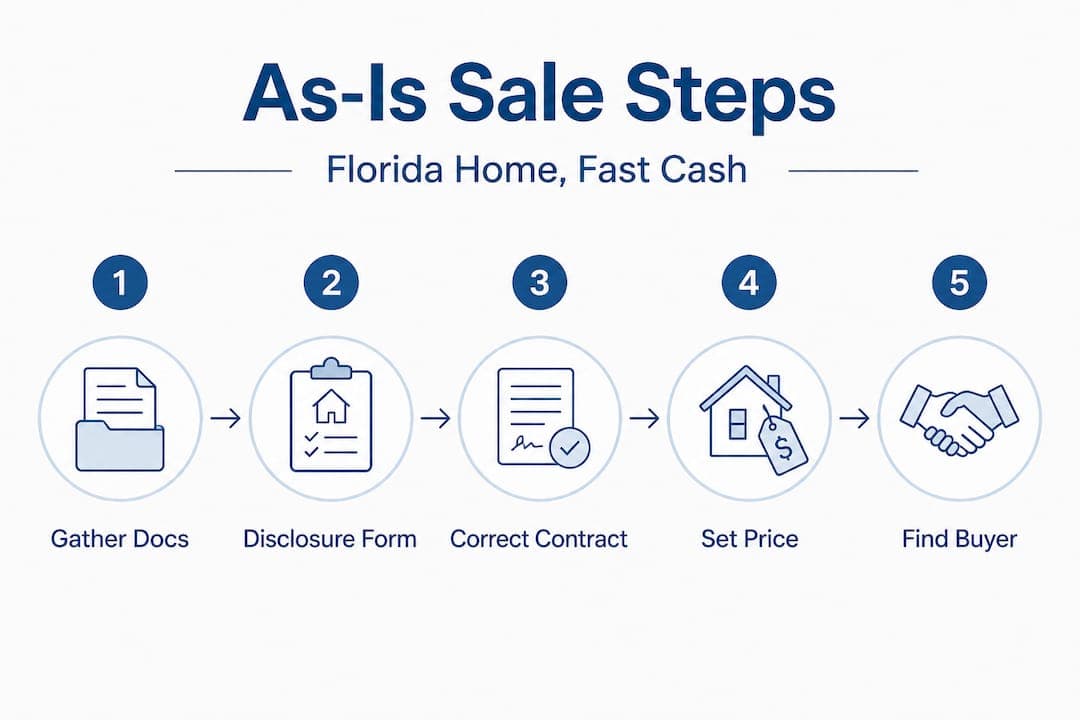
Step 1: Gather all property documents. Pull together your deed, mortgage statements, HOA documents, any existing inspection reports, permits for past work, and utility bills. Buyers and their attorneys will want to review these, and having them ready speeds up the process significantly.
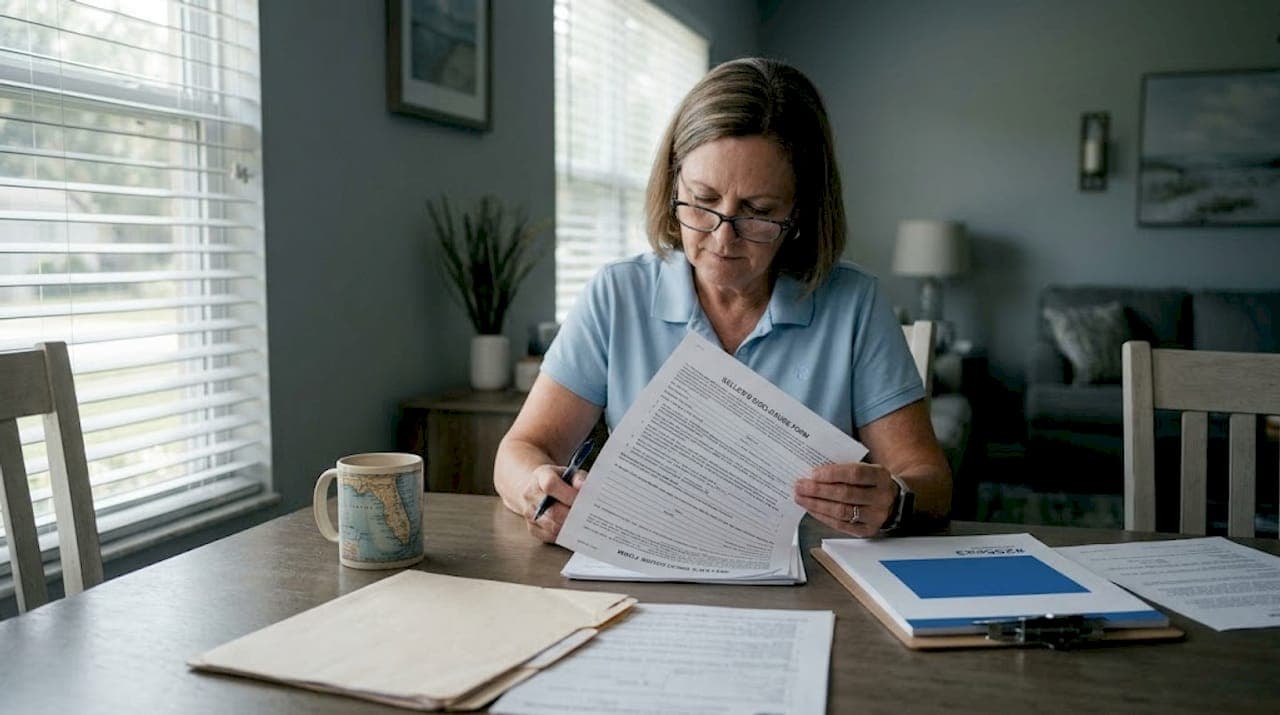
Step 2: Complete your seller's disclosure form accurately and in full. Florida requires sellers to disclose all known material defects that could affect the property's value or the buyer's decision to purchase (Florida Realtors). This includes structural issues, water intrusion, pest damage, roof age and condition, electrical or plumbing problems, and any history of insurance claims. Being thorough here is your legal protection. As Florida real estate attorneys note, keeping your documentation and disclosures accurate is essential because "as-is" limits repair obligations but does not make inaccurate omission safe.
Step 3: Use the correct contract form. Make sure any offer you accept uses the CRSP17 "As Is" Residential Contract with the "Right to Inspect" option checked. If a buyer or their agent presents a standard contract, clarify that you are selling as-is and request the appropriate form.
Step 4: Set a realistic asking price. Pricing an as-is property correctly is critical. Buyers know they're taking on risk and will factor in repair costs. Overpricing leads to a property sitting on the market, which creates its own problems. Review comparable sales in your area and consider what a realistic buyer would need to spend to bring the home to market condition.
Step 5: Decide on your target buyer. Cash investors and real estate investment companies are the most common buyers for as-is properties. They move faster, don't require lender-mandated repairs, and are experienced with distressed properties. If you want to get the most money for your house, you may want to market to multiple cash buyers and compare offers before accepting one. You can also request a free cash offer to benchmark what your home is worth in its current condition.
Pro Tip: Do not minimize or omit defects to pursue a higher offer. Cash buyers almost always conduct thorough due diligence, and when they discover undisclosed issues during inspection, they will either renegotiate aggressively or walk away entirely. Full disclosure upfront keeps deals together.
Here's a quick reference for the documents you'll typically need:
Cash offers and fast closings: How to maximize speed and avoid lender delays
- Step 1 — Price your property competitively based on its current condition, not its potential value after repairs.
- Step 2 — Have all disclosures and documents ready before you list or reach out to buyers.
- Be responsive — Cash buyers move fast and often have multiple properties under consideration.
- Step 4 — Verify the buyer's proof of funds before accepting an offer.
- Work with buyers who have a clear track record — You can check whether home buying companies are legitimate and whether cash offers for houses are legit before signing anything.
Expert perspective: Florida as-is sales — what really matters
After years of working with Florida homeowners in distressed situations, one truth stands out above everything else: **the sellers who close quickly and cleanly…
After years of working with Florida homeowners in distressed situations, one truth stands out above everything else: the sellers who close quickly and cleanly are the ones who disclose everything upfront.
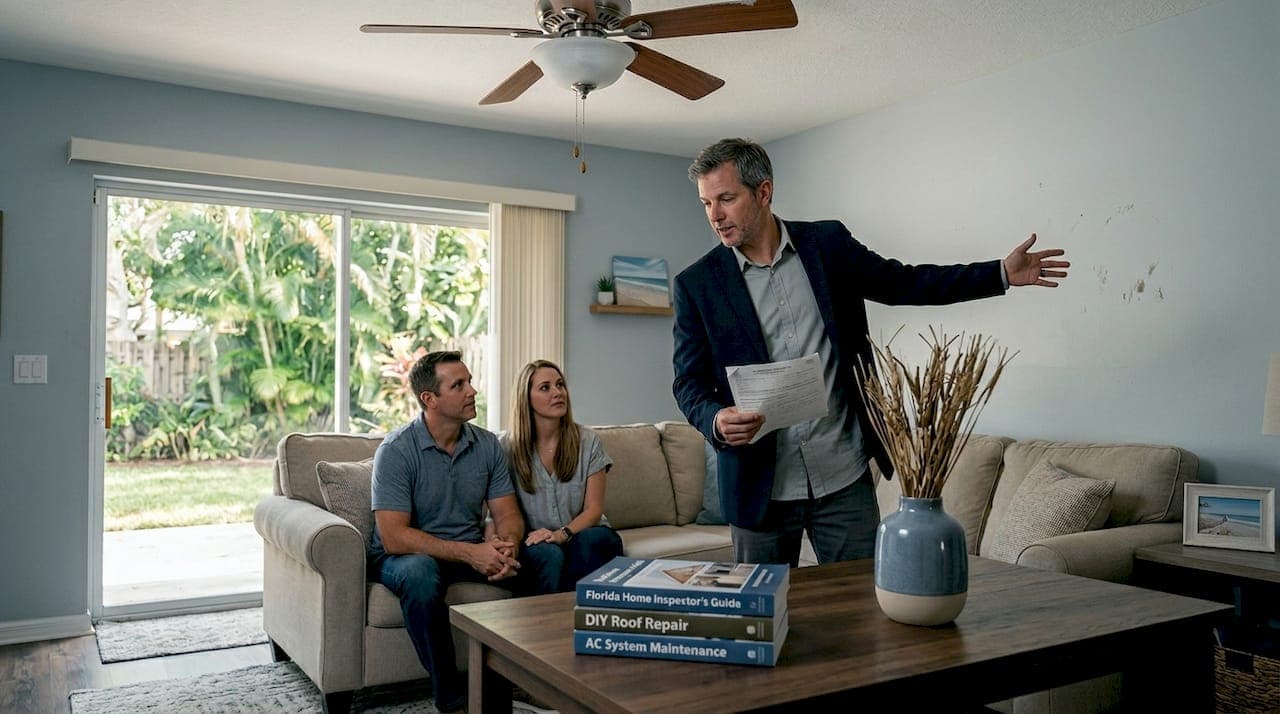
There's a tempting logic that says if you hide a problem, you'll get a higher offer. In reality, the opposite is almost always true. Experienced cash buyers and investors have seen every type of property issue imaginable. They know what to look for, and their inspectors are thorough. When they find something you didn't disclose, the deal doesn't just get renegotiated. It often falls apart entirely, and you've now lost weeks of time.
The real insurance policy in an as-is sale is your disclosure paperwork. Accurate, complete disclosures protect you from post-closing lawsuits. They build trust with buyers, which keeps negotiations civil. And they signal that you're a serious seller, not someone trying to offload a problem onto an unsuspecting buyer.
We've seen sellers try to skip the proper contract form, thinking any written agreement will do. It won't. Florida courts and title companies expect specific language, and using the wrong form creates title issues that can delay or void your closing. The CRSP17 "As Is" contract exists for a reason, and using it correctly is one of the simplest things you can do to protect yourself.
The other mistake we see regularly is sellers who panic during post-inspection negotiations. A buyer asking for a concession is not a disaster. It's a normal part of the process. The sellers who respond calmly, make reasonable counteroffers, and keep communication open are the ones who close. The sellers who refuse to engage or take negotiations personally often end up starting over with a new buyer, losing weeks in the process.
The path to maximizing sale proceeds runs through transparency and preparation, not through concealing problems or overpricing. The market for as-is properties in Florida is active and real. There are buyers ready to move fast. Your job is to give them the information they need to say yes.
Sell your Florida home as-is for fast cash — next steps
You now have a clear picture of what selling as-is in Florida actually involves: the right contract, complete disclosures, a realistic price, and a calm approach to the inspection period.
You now have a clear picture of what selling as-is in Florida actually involves: the right contract, complete disclosures, a realistic price, and a calm approach to the inspection period. The process is straightforward when you know what to expect.
If you're ready to take action, we make it simple. At House Fast Cash FL, we buy Florida homes as-is, in any condition, with no repairs, no commissions, and no delays. Whether you're facing foreclosure, dealing with a damaged property, or just need to move quickly, we can help you maximize your sale without the stress of a traditional listing. Start by requesting your free cash offer today, and you'll have a no-obligation number in hand within 24 hours. When you're ready to sell fast in Florida, we're ready to close on your timeline.
Side-by-side comparison
| Standard sale | As-is sale | |
|---|---|---|
| Seller repair obligations | Often required after inspection | None required |
| Buyer inspection rights | Yes | Yes, retained in full |
| Disclosure requirements | Full disclosure required | Full disclosure still required |
| Contract form used | CRSP standard | CRSP17 "As Is" version |
| Typical buyer pool | Financed buyers | Cash buyers and investors |
| Closing timeline | 30 to 60 days | As fast as 7 to 14 days |
Free Cash Offer
Ready to sell your house for cash?
Tell us about your property. We'll come back within 24 hours with a fair, no-obligation cash offer — no commissions, no inspection drama, no closing-cost surprises.
- Licensed Florida cash buyer
- Close in 7-21 days, on your timeline
- Free, no-obligation cash offer
- We respond within 24 hours
Cash Buyers Network
Sources & References
External sources cited in this article. Verify current figures and rules directly with the issuing source — Florida real-estate data and program rules change quarterly.
From the Blog
Continue Reading
home-selling
Inheritance Property Options: Your 2026 Heir's Guide
Explore inheritance property options in 2026: sell, rent, or move in. Learn how each choice impacts your finances and tax obligations.
Read articlehome-selling
Pitfalls of Listing Inherited Homes: 2026 Guide
Discover the pitfalls of listing inherited homes in 2026. Learn key strategies to navigate probate and safeguard your estate's value.
Read articlehome-selling
Seller Financing Rental Property in Florida: 2026 Guide
Discover how seller financing rental property in Florida can unlock investment opportunities. Learn the benefits, requirements, and legal steps.
Read articlehome-selling
Role of Heirs in Property Sales: 2026 Guide
Discover the role of heirs in property sales. Learn when you can sell inherited property and avoid common probate mistakes.
Read articleFrequently Asked
Common Questions
Does selling as-is mean buyers can't inspect the home?
+
No. Florida buyers retain full inspection rights even in an as-is sale. As confirmed by Florida real estate law, buyers can still inspect the property and may negotiate a price reduction or walk away entirely during the inspection contingency window.
How fast can an as-is sale close in Florida?
+
Cash offers typically close in 7 to 14 days, far faster than financed sales. As industry data shows, cash buyers don't require mortgage approval, which eliminates lender-related delays including appraisals and repair requirements.
What disclosures are required in an as-is transaction?
+
Florida law requires full disclosure of all known material defects, even in an as-is sale ([Florida Realtors](https://www.floridarealtors.org/)). Florida real estate attorneys confirm that "as-is" limits your repair obligations but does not protect you from liability for inaccurate or incomplete disclosures.
Can I sell a house as-is if it's in foreclosure or needs repairs?
+
Yes, as-is sales are common for homes in foreclosure or with significant repair needs. However, you still need to use the correct CRSP17 contract form and provide complete disclosures. Cash buyers are experienced with these situations and can often close quickly enough to stop a foreclosure timeline.